Flower Card Floral Greeting Postcard_11: A Designer's Real-World Review
As a professional designer who spends countless hours testing digital assets for actual production, I approach every new download with a mix of excitement and skepticism. Today, I am putting Flower Card Floral Greeting Postcard_11 under the microscope to see if it truly holds up outside of a digital preview. This is not just about looking pretty on a screen; it is about how this design translates when stitched into fabric, worn by a customer, or displayed in a boutique shop.
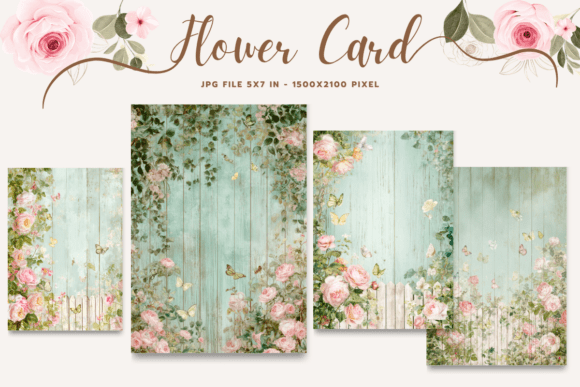
The product listing specifies that this is a digital download containing four high-resolution JPG files, and explicitly notes that it is NOT an SVG file. For those of us working in machine embroidery, this distinction is critical. It means we are dealing with a visual reference or a rasterized guide rather than a vector path that automatically converts to stitches. While the ability to resize the file to fit your exact substrate is a major plus, it requires a different workflow than importing a native embroidery file directly into software. We have to treat this as a design asset first, planning our digitization or applique strategy around these high-res images.
First Impressions: Mood and Visual Personality
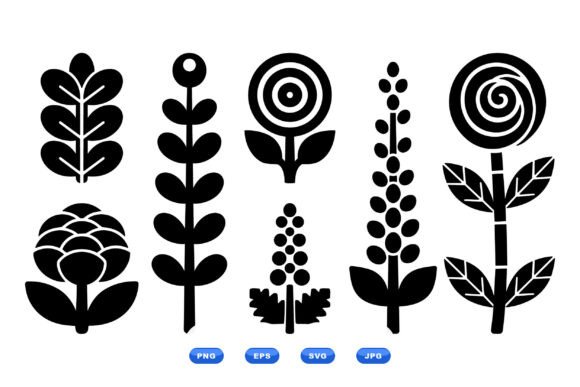
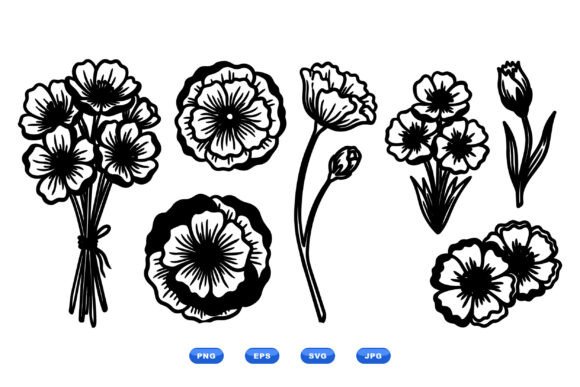
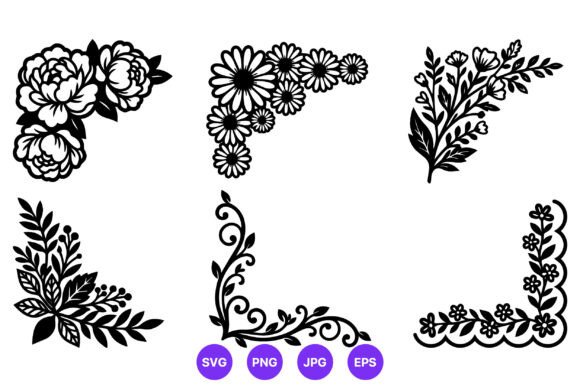
When I first opened the high-resolution previews of Flower Card Floral Greeting Postcard_11, the immediate feeling was one of warmth and nostalgia. The layout feels like a classic botanical illustration, which suggests a timeless appeal rather than a fleeting trend. The floral theme is versatile enough to work in spring collections, wedding favors, or even cozy winter gifts. The composition creates a balanced frame, leaving negative space that invites personalization—a crucial factor for anyone selling handmade goods on platforms like Etsy.
The detail level appears sophisticated without being overwhelming. In my experience, designs that look too complex often get lost in stitching, especially on smaller items. However, the structure of this card suggests a strong backbone of lines that should hold up well during the digitization process. It feels like a design that belongs on a tea towel, a nursery wall hanging, or a premium tote bag where the texture of the fabric adds depth to the image.
Real-Life Application: From Screen to Stitch
Let me walk you through a specific scenario where I imagine using Flower Card Floral Greeting Postcard_11. I am preparing a custom order for a local boutique owner who wants embroidered aprons for her staff. She needs something that looks professional but retains a soft, handmade charm. Since this is a graphic file, I would use the high-res JPGs as a precise template for creating a new satin stitch and fill stitch pattern within my digitizing software.
The potential here is significant. If I were to adapt this design for a sweatshirt embroidery project, the floral motif could serve as a large chest piece or a back-print style focal point. For a baby item, such as a onesie or a blanket, the gentle curves of the flowers would translate beautifully into soft satin stitches. The versatility extends to holiday embroidery as well; adding a simple "Merry" or "Joy" in a complementary thread color could turn this generic floral card into a seasonal bestseller.
For craft business owners, this design offers a unique advantage. Because it is provided as a JPG, it can be easily integrated into printable mockups. You can place the flower card onto images of pillow covers, kitchen towels, or caps to show customers exactly what the finished product will look like before they ever cut a single thread. This transparency builds trust and reduces returns, as buyers know exactly what they are purchasing.
Where Caution Is Required
Despite its aesthetic appeal, there are specific situations where Flower Card Floral Greeting Postcard_11 might present challenges. First, consider the hoop size. If you attempt to stitch this on a very small surface, such as a baseball cap or a tiny patch, the intricate details of the flower card might become muddy or merge together. Satin stitches on curved surfaces like caps require careful angle management to avoid puckering, and a complex floral layout increases the risk of distortion.
Fabric choice is another critical variable. On textured fabrics like heavy canvas or bouclé, fine details may get swallowed by the weave. Similarly, on stretchy knits, the density of the design could cause the garment to pucker if not stabilized correctly. If you are working with dark fabric, you must ensure that your underlay and thread colors provide enough contrast. A light-colored flower card on a navy background might lose its definition unless you use a high-quality white backing or a specific underlay technique.
Furthermore, because this is a JPG and not a native embroidery file, you cannot simply hit "send" to your machine. You must verify the stitch density and direction during your own digitizing phase. Dense fill areas can lead to needle breakage or thread bunching if the software settings are not optimized. Always test the design on scrap fabric first to check how the threads interact with your chosen material. This step is non-negotiable for maintaining a professional standard in your handmade product line.
Impact on Brand and Customer Perception
In the world of commercial embroidery, the quality of the design directly influences customer trust. A clean, well-executed floral motif signals professionalism and attention to detail. When a customer receives a personalized gift or a boutique item featuring Flower Card Floral Greeting Postcard_11, they are buying more than just a pattern; they are buying the assurance of quality. If the stitching is crisp and the colors pop, the perceived value of the item skyrockets.
Conversely, poor execution can damage your reputation. If the design is resized incorrectly or if the thread colors clash with the fabric, the final product may look amateurish. This is why reviewing the visual personality of the design beforehand is so important. The natural flow of the flowers in this card suggests elegance, so the finished product must match that tone. Consistency in your branding across all items—from the embroidery itself to the packaging—relies heavily on selecting designs that align with your shop's identity.
Practical Notes for Designers
To get the most out of this listing, I recommend following a strict preparation protocol. Start by checking the licensing terms to confirm whether you can sell finished items made from this design. Many digital products have restrictions on commercial use that vary by seller. Once confirmed, inspect the small details in the JPGs closely. Are there any tiny elements that might be difficult to stitch? If so, consider simplifying them during your digitization process.
Always compare the design in both black and white mockups and on various fabric backgrounds. This helps you visualize the contrast and ensures the design works for both light and dark substrates. When setting up your stabilizer, remember that a floral design with varying stitch directions requires a sturdy backing to prevent shifting. Whether you are creating an embroidered patch, a tote bag design, or a custom apparel piece, the stability of the base is just as important as the design itself.
Finally, think about the end-user. Is this a durable item meant for daily washing, or a decorative piece for a special occasion? If it is for frequent wear, prioritize durability over extreme detail. Use proper thread colors that resist fading and ensure the stitch density is balanced to withstand friction. By treating Flower Card Floral Greeting Postcard_11 as a serious design asset rather than just a quick download, you can create finished products that stand out in a crowded market.
Ultimately, this design offers a solid foundation for creative entrepreneurs and hobbyists alike. With the right planning and technical care, it can transform from a simple JPG into a cherished part of a handmade collection. Whether you are an Etsy seller looking to expand your catalog or a maker crafting a unique gift, the potential of this floral card is limited only by your imagination and your precision.