Floral Lantern: A Designer's Real-World Embroidery Review
When I first opened the folder for Floral Lantern, my initial reaction wasn't about the file formats or the technical specs. It was about the mood. There is something inherently cozy and inviting about a lantern motif, especially when softened by floral elements. As an experienced designer who has stitched hundreds of designs for client projects and personal craft business items, I know that a design needs more than just pretty lines; it needs character. This piece feels like it belongs in a sunroom, on a vintage apron, or perhaps as the centerpiece of a boutique gift shop collection. It strikes a balance between rustic charm and modern elegance, making it a versatile asset for any embroidery project that aims to feel thoughtful and handcrafted.
First Impressions and Design Personality
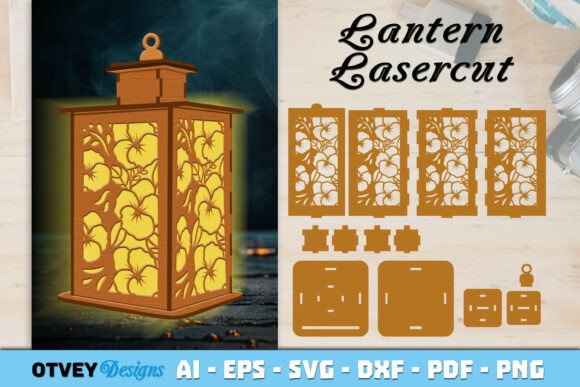
The visual personality of Floral Lantern is warm and approachable. Unlike stark geometric patterns that can sometimes feel cold or corporate, this design invites the viewer to lean in closer. The combination of the lantern structure with organic floral shapes suggests a narrative of light and growth. For a craft business owner or an Etsy seller, this is crucial because customers buy into the story behind the item. When you see a finished product featuring this design, it immediately signals quality and care. It doesn't scream "mass-produced"; instead, it whispers "handmade with love."
The layout appears balanced, which is often the hardest part of digitizing. The flowers likely frame the lantern without overwhelming the central shape, creating a natural focal point. This kind of composition works exceptionally well for custom apparel where you want the design to sit comfortably on a chest pocket or the back of a sweatshirt without looking cluttered. It also holds up well as a standalone graphic for printable mockups or digital previews, ensuring your online listings look professional even before the thread touches the fabric.
Real-Life Application: The Tote Bag Scenario
To truly understand how Floral Lantern performs, let's imagine a real-world scenario. Suppose you are preparing for a local craft fair or launching a new line of personalized gifts. You decide to create a set of durable canvas tote bags for a wedding favor or a boutique branding campaign. You choose Floral Lantern as the main embroidery design for these bags.
In this context, the design shines. The lantern motif provides a sturdy anchor in the center of the bag, while the surrounding flowers add texture and softness. When stitched onto a natural canvas or a muted linen tote, the design elevates the perceived value of the product instantly. Customers walking through a market stall will notice the intricate details of the satin stitch and the delicate running stitch work. It transforms a simple $5 bag into a $25 premium accessory. The versatility here is key; the same design could easily be adapted for a baby onesie, a kitchen towel, or a decorative pillow cover, allowing you to maximize your production time across different product lines.
Performance Across Different Fabrics and Products
While the design looks great on paper, its true test lies in execution. Floral Lantern is robust enough to handle various textures, but like any good machine embroidery design, it requires the right preparation. On stable fabrics like cotton twill, denim, or heavy canvas, the stitches lay flat and crisp. The fill areas provide excellent coverage, ensuring that the underlying fabric color doesn't show through unless intended.
However, there are specific situations where caution is required. If you are working with thin, stretchy knits like a lightweight jersey t-shirt or a silk blouse, the density of the design might cause puckering. In these cases, using a high-quality cut-away stabilizer is non-negotiable. Similarly, if you plan to use this on a curved surface like a baseball cap, the curvature of the brim can distort the lantern shape if the hoop isn't positioned perfectly. The design works best on relatively flat surfaces such as aprons, pillow covers, tea towels, and the flat panels of hats.
For embroidered patches, this design offers a fantastic opportunity. The defined edges of the lantern allow for clean trimming, and the floral details add a unique selling point that sets your patches apart from generic store-bought options. Whether you are selling them as iron-ons or sew-on accessories, the visual appeal of Floral Lantern ensures they stand out on jackets, bags, or even sneakers.
Navigating Technical Challenges and Best Practices
As a reviewer, I must emphasize the importance of testing. Before running a full batch of orders for a small shop, always test the embroidery file on scrap fabric. This step is vital for checking thread color contrast. A design that looks vibrant in a digital preview might lose its definition if the thread colors clash with the background fabric. For instance, a pale yellow flower detail might disappear against a cream-colored shirt, whereas it would pop beautifully on a navy blue tote.
Inspecting small details is another critical step. While the overall shape of the lantern is clear, ensure that the finer floral accents are not too small for the chosen needle size or hoop capacity. If you are using a smaller hoop, some of the delicate curves might get lost or require resizing, which can alter the aspect ratio of the design. Always confirm the recommended hoop size before starting your production run.
Stitch density plays a significant role in the longevity of the finished product. Designs with dense fill stitches can be difficult to wash if not stabilized correctly. Frequent washing, common with items like baby clothes or kitchen towels, can stress the threads. To maintain the integrity of Floral Lantern over time, recommend proper stabilizer usage and gentle washing cycles to your clients. This attention to detail builds trust and reduces returns, which is essential for any serious commercial embroidery venture.
Visual Appeal and Brand Consistency
Beyond the technicalities, the aesthetic impact of Floral Lantern cannot be overstated. In the world of handmade products, consistency is king. Using a cohesive design language helps build a recognizable brand identity. If you are selling holiday gifts, this design fits perfectly into autumnal or spring themes, bridging the gap between seasonal decor and everyday utility. The lantern symbolizes guidance and warmth, making it an emotional choice for gifts like weddings, anniversaries, or housewarmings.
For digital product sellers offering design assets, providing a variety of formats (such as AI, PDF, EPS, JPG, PNG, SVG, and DXF) adds immense value. It allows users to adapt the design for screen printing, sublimation, or direct-to-garment workflows alongside traditional embroidery. This flexibility makes Floral Lantern a practical addition to any creative entrepreneur's toolkit.
Final Thoughts on Practical Value
Ultimately, Floral Lantern is more than just a pretty image; it is a functional tool for creators. It balances artistic flair with structural reliability, making it suitable for everything from a quick hobbyist project to a large-scale commercial order. By understanding its strengths and respecting its limitations regarding fabric type and stabilization, you can produce finished products that exceed customer expectations.
Whether you are decorating a nursery, creating a line of boutique merchandise, or simply looking to personalize a gift for a loved one, this design delivers on its promise. It brings a touch of classic beauty to modern crafts, proving that sometimes the simplest concepts—a flower and a light—can result in the most impactful work. Just remember to test your setup, respect the fabric, and let the design speak for itself. With the right approach, Floral Lantern can become a staple in your portfolio of graphics and embroidery files.