Floral Cap Scroll: A Designer's Real-World Review
As someone who has spent years evaluating digital assets for everything from boutique branding to high-volume commercial embroidery, I approach every new file with a mix of excitement and skepticism. Most designs promise the world but deliver frustration when they hit the hoop. Today, I am looking at Floral Cap Scroll, a product categorized under Crafts and Graphics that claims to bring laser projects to life. However, as an experienced designer reviewing this for real project use, I need to be clear about what this actually is before we dive into its application.
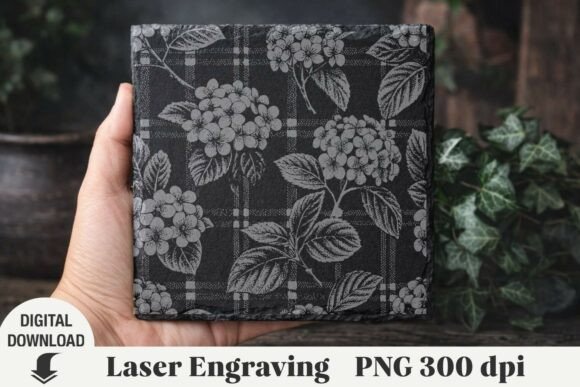
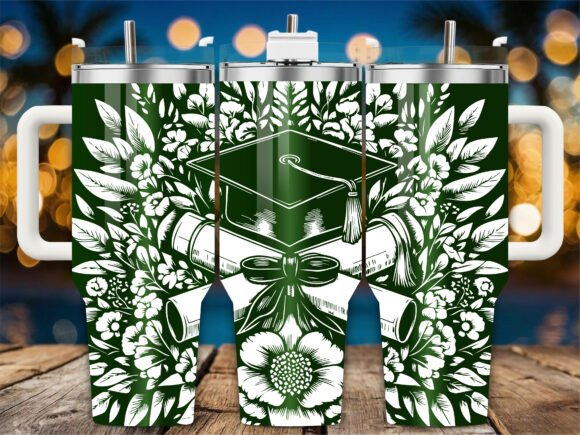
The product description explicitly states this is an Engraving Laser Tumbler Wrap designed for Stanley-style tumblers. It is a full-wrap laser file intended for sharp engraving results on curved surfaces. This is a crucial distinction. While it falls under the broad umbrella of Crafts and Graphics, treating this as a standard machine embroidery design without understanding its true nature would be a costly mistake. In this review, I will evaluate how this asset fits into a broader creative workflow, where its strengths lie, and how a savvy craft business owner or Etsy seller should handle it to ensure professional results.
First Impressions: The Visual Personality of Floral Cap Scroll
When you first open a file like Floral Cap Scroll, the immediate question is always about mood and utility. The name suggests a blend of organic floral elements with a structured scroll layout. For a laser tumbler wrap, this implies a design meant to flow seamlessly around a cylindrical object. Visually, this creates a sense of continuity and elegance that flat designs often lack. The "scroll" aspect suggests movement, guiding the eye around the curve of a tumbler rather than stopping abruptly at the edges.
In the context of handmade products, this visual personality screams "premium gift." It is not a simple, blocky logo; it feels curated. For small business owners creating boutique merchandise, this level of detail elevates the perceived value of the finished item. If you are selling personalized gifts, a design that wraps seamlessly around a popular item like a Stanley-style tumbler suggests a high-end finish that customers are willing to pay extra for. The seamless nature mentioned in the description is key here; it eliminates the awkward gap often seen in lower-quality wraps, ensuring the product looks cohesive and professionally crafted.
Real-Life Application: From Digital File to Finished Product
Let me paint a picture of how I see this being used in a real-world scenario. Imagine you are preparing inventory for the holiday season. You are an Etsy seller specializing in custom kitchenware and personalized gifts. You have a batch of stainless steel tumblers ready for customization. Instead of using a generic clip-art stamp, you decide to use Floral Cap Scroll to create a limited-edition line.
The workflow involves taking this laser file and running it through your engraving machine. Because the design is optimized for a full wrap, the result is a continuous band of intricate floral patterns encircling the tumbler. When a customer receives this, the tactile experience of the engraving combined with the visual depth of the scroll pattern makes it feel substantial. It transforms a mass-produced blank into a unique, artisanal piece. This is exactly the kind of product differentiation that drives sales in a crowded marketplace like Etsy.
However, the versatility extends beyond just tumblers. If you are a maker who also works with other materials, the aesthetic of Floral Cap Scroll can inspire other projects. Perhaps you use the vector outline to cut vinyl for a laptop sleeve, or you trace the motif onto a wooden cutting board for a rustic home decor set. The design assets serve as a foundation for various handmade products, provided you adapt the medium correctly. For those looking to expand their catalog, having a design that translates well across different crafting mediums is a significant advantage.
Where to Exercise Caution: Understanding Limitations
While the potential is high, there are specific scenarios where Floral Cap Scroll requires careful consideration. First and foremost, do not attempt to load this directly into a machine embroidery hoop expecting it to stitch out as-is. As noted in the product details, this is a laser engraving file. Attempting to convert a raster-based laser wrap directly into a satin stitch without proper digitizing will likely result in poor thread tension, puckering, or loss of detail.
If you are considering adapting this design for actual fabric work, such as a tote bag or sweatshirt embroidery, you must treat it as a reference image. You would need to re-digitize the floral motifs and scroll elements specifically for machine embroidery design. Trying to force a laser file meant for metal or glass onto stretchy fabrics like jersey or thin linens without adjusting the stitch density could lead to distortion. The tight curves of a scroll pattern might struggle on a small hoop size if the original resolution isn't compatible with the reduced scale.
Furthermore, consider the surface texture. Laser engraving works best on smooth, non-porous surfaces. If you are applying similar concepts to textured fabrics or dark, thick materials, the contrast and clarity may suffer. For a commercial embroidery project involving frequent washing, you must ensure that any adapted version uses appropriate stabilizers and thread colors to maintain durability. A design that looks stunning on a polished tumbler might fade or blur on a heavily washed kitchen towel if the underlying structure isn't sound.
Designer Notes for Maximum Impact
To get the most out of Floral Cap Scroll, I recommend a few practical steps before committing to a full production run. Always test the design on scrap material first. Whether you are testing the laser settings on a spare tumbler or digitizing the pattern for fabric, a test run reveals issues with depth, contrast, or stitch density that you might miss in a mockup.
Review the stitch density carefully if you plan to adapt this for textile use. High-density areas can cause the fabric to pucker, while low-density areas might look sparse. Check the thread color contrast against your chosen background; a light scroll pattern on a dark tumbler might require multiple passes or a specific laser power setting to achieve visibility. Confirm the hoop size requirements for your equipment, especially if you are scaling the design up or down for different products like aprons or baby items.
Inspect the small details closely. The beauty of a scroll design lies in its fine lines. Ensure that these details remain crisp after processing. If you are selling finished items, inspect the final product for consistency. Does the wrap align perfectly? Is the engraving depth even? These small touches build customer trust and reinforce your brand's reputation for quality.
Finally, verify your licensing terms. Before selling finished products made with Floral Cap Scroll or offering digital previews, confirm whether the license allows for commercial use. Some graphics files are restricted to personal projects only. Understanding these terms protects your craft business from legal issues and ensures you can confidently market your goods.
In conclusion, Floral Cap Scroll is a powerful tool for creators who understand its specific application. It offers a sophisticated aesthetic that elevates laser-engraved tumbler projects, making them ideal for boutique branding and personalized gifts. By respecting its format and adapting it wisely for other mediums, designers and small shop owners can leverage this asset to create standout products that resonate with buyers. Whether you are an Etsy seller looking to refresh your listings or a hobbyist making a special gift, this design provides a solid foundation for creativity—provided you approach it with the right technical knowledge.