Poppies Floral Pattern: A Designer's Real-World Review
As a designer who has spent years evaluating machine embroidery design files for both personal passion projects and commercial small business ventures, I approach every new download with a mix of excitement and skepticism. The market is flooded with generic graphics, but finding a piece that balances aesthetic charm with technical feasibility is rare. Today, I am putting the Poppies Floral Pattern through its paces to see if it truly deserves a spot in my digital asset library or on a client's product line.
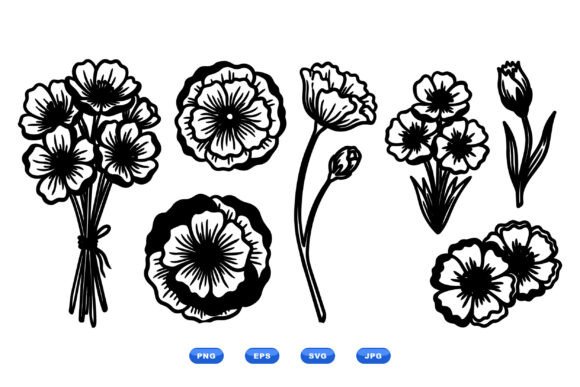
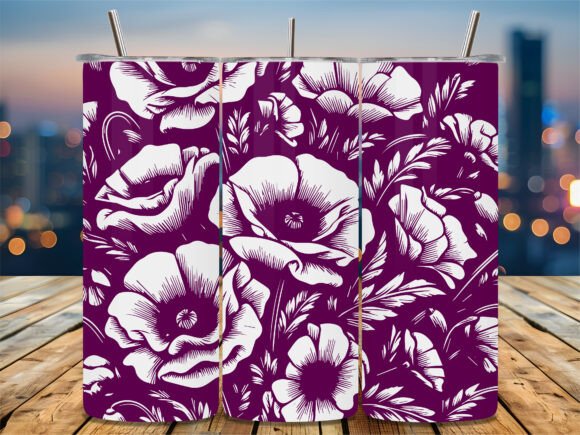
The first impression of this file is one of classic elegance mixed with rustic warmth. Poppies are a timeless subject, often associated with remembrance, beauty, and spring renewal. In the context of Crafts and Graphics, this pattern manages to avoid looking overly delicate or fragile. Instead, it feels grounded and substantial enough to hold its own on heavy fabrics like denim or canvas. When I opened the preview, the layout immediately suggested versatility; it doesn't scream "just a logo," nor does it feel like an overwhelming wall mural. It sits comfortably in that sweet spot where it can serve as a focal point without dominating the entire garment.
From Digital File to Finished Product: A Real Scenario
To understand how Poppies Floral Pattern performs in the real world, I need to move beyond the screen and imagine the stitching process. Let's say I am preparing a custom order for a local boutique owner who specializes in handmade kitchen linens and nursery decor. She needs a design that will look beautiful on white tea towels but also pop against navy blue aprons. This is exactly where the potential of this design becomes clear.
Imagine the finished product: a set of embroidered kitchen towels featuring the Poppies Floral Pattern stitched in vibrant reds and deep greens against a crisp white background. The visual appeal here is immediate. The floral theme evokes a sense of home and hospitality, which translates directly into higher perceived value for the customer. If I were selling these on Etsy, the image of this design would stop the scroll. It suggests a brand that cares about detail and quality. For a small shop product, this level of thoughtfulness builds trust and encourages repeat buyers.
However, the journey from a digital file to a physical item involves more than just good looks. When I consider using this design for a sweatshirt embroidery project or a baby onesie, the density of the flowers becomes critical. On a soft cotton tee, the pattern would likely sit beautifully, offering a soft texture that invites touch. But on a structured cap or a patch intended for a work uniform, the curvature of the fabric could distort the petals if the stabilizer isn't chosen correctly. The design works best when the surface is relatively flat, allowing the stitches to lay evenly.
Navigating Technical Challenges and Fabric Choices
No design is perfect for every scenario, and being honest about limitations is part of responsible reviewing. While Poppies Floral Pattern is robust, there are specific situations where caution is required. For instance, attempting to stitch this on a stretchy jersey knit without adequate stabilization could lead to puckering, ruining the clean lines of the petals. Similarly, textured fabrics like waffle-knit towels or boucle wool might hide the finer details of the running stitch sections, making the overall image appear muddy rather than crisp.
Small hoop sizes present another challenge. If you are trying to fit this pattern onto a tiny accessory, such as a keychain tag or a miniature hat, the intricate details of the floral centers might get lost. The satin stitch areas could become too dense, causing the thread to bunch up and lose definition. In these cases, I would advise resizing the design carefully or perhaps focusing only on a single bloom from the pattern rather than the full arrangement. This ensures that the embroidery file remains legible and professional.
Dark fabrics require special attention regarding thread color contrast. While the description mentions suitability for various uses, the visual impact of the poppies relies heavily on the choice of thread colors. Using light threads on dark fabric might result in a design that looks washed out unless the stitch density is increased significantly. Conversely, dark threads on black fabric could disappear entirely. Testing different combinations before committing to a production run is essential to ensure the final product meets your standards.
Practical Notes for the Embroidery Designer
Before you upload this file to your machine and start stitching, there are several practical steps to take to guarantee success. First and foremost, always test the design on scrap fabric that matches the weight and texture of your final material. This simple step can save hours of frustration and wasted supplies. Pay close attention to the stitch density; if the fill areas look too thick, they may cause the fabric to pucker, while areas that are too sparse might look thin and unprofessional.
Confirming the correct hoop size is equally important. Ensure your hoop can accommodate the design dimensions without cutting off any petals or stems. If you are planning to sell these items commercially, double-check the licensing terms included with the download. Some designs allow for unlimited sales of finished goods, while others restrict the number of units or require a separate license for digital distribution. Understanding these boundaries protects your business and respects the original creator.
When inspecting the design, look at the corners and curves. Do the transitions between different stitch types feel natural? Does the Poppies Floral Pattern flow logically, or do the elements feel disjointed? A well-designed file should guide the needle smoothly across the fabric, minimizing jumps and trims that weaken the structure of the embroidery. Also, consider the washability of the finished product. Dense stitch areas can sometimes trap lint or water, so ensuring the design is not overly heavy in any one spot helps maintain the longevity of the item.
Final Verdict on Visual Impact and Brand Value
Ultimately, the success of an embroidery project comes down to how it makes the customer feel. A well-executed Poppies Floral Pattern can transform a plain tote bag into a statement piece or turn a standard baby blanket into a cherished keepsake. The design possesses a personality that resonates with buyers looking for something heartfelt yet stylish. It bridges the gap between traditional craftsmanship and modern aesthetics, making it a versatile asset for any creative entrepreneur.
For those running a craft business or selling on platforms like Etsy, having a reliable library of high-quality design assets is crucial. This pattern offers a strong foundation for creating cohesive collections. Whether you are producing holiday gifts, wedding favors, or boutique branding materials, the poppy motif adds a touch of nature-inspired charm that rarely goes out of style. However, remember that the magic lies in the execution. Proper thread colors, appropriate stabilizer usage, and careful attention to fabric texture are what elevate a good design into a great finished product.
In conclusion, the Poppies Floral Pattern is a solid addition to any designer's toolkit. It is technically sound, visually appealing, and adaptable to a wide range of applications. By approaching it with the right preparation and respect for the medium, you can create stunning personalized gifts and commercial products that stand out in a crowded marketplace. Just remember to test, refine, and always prioritize the quality of the stitch over the speed of production.