Highland Cow Floral Garden Review
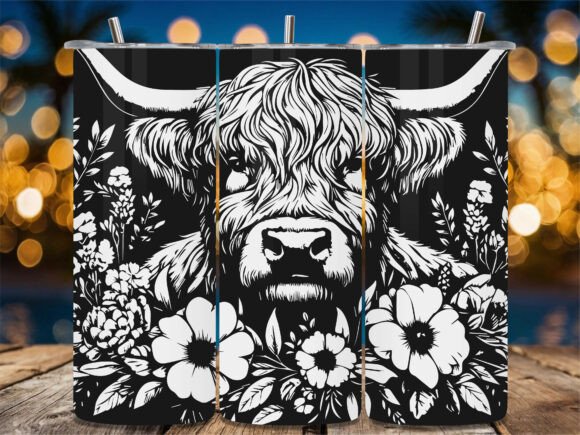
I have spent years reviewing digital assets for the craft community, and I have learned that a pretty picture on a screen does not always translate to a successful stitch. When I first opened Highland Cow Floral Garden, my initial reaction was a mix of curiosity and skepticism. The description mentions it is an Engraving Laser Tumbler Wrap designed for Stanley-style tumblers, yet the title screams "embroidery." As a designer who values practical application over marketing fluff, I had to ask myself: can this design actually work for real-world embroidery projects, or is it strictly a laser file?
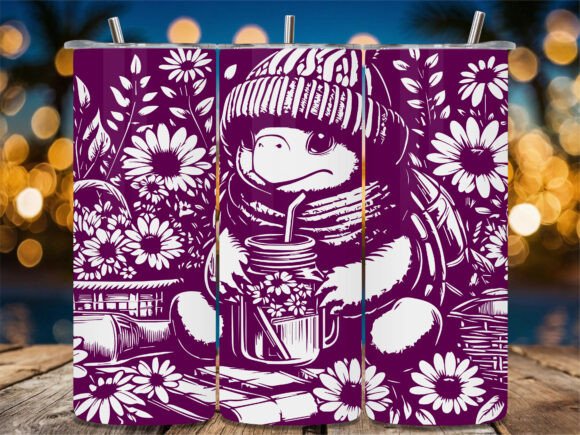
The answer lies in understanding the visual language of the piece. Highland Cow Floral Garden evokes a specific mood immediately. It feels rustic, cozy, and undeniably charming. The concept of pairing a Highland cow with floral elements suggests a design that belongs in a cottagecore aesthetic or a boutique shop selling handmade goods. However, before you run this through your machine, we need to address the elephant in the room regarding its intended use.
Visual Personality and First Impressions
The layout of Highland Cow Floral Garden appears to be a full-wrap composition. In the world of embroidery, full-wrap designs are tricky. They require a seamless flow that looks good from every angle. If this design is indeed optimized for a tumbler wrap, it likely features a continuous line of imagery that curves around a cylindrical surface. For an embroidery project, this translates to a long, narrow field of stitching.
The theme is undeniably strong. A Highland cow surrounded by flowers creates a whimsical narrative that appeals to customers looking for personalized gifts. The visual personality is warm and inviting. It suggests a product that is not just functional but also decorative. Whether used on a tote bag or a kitchen towel, the design promises to add a touch of personality to everyday items. The detail level seems high enough to capture the texture of the cow's shaggy coat and the delicate petals of the flowers, provided the stitch density is managed correctly.
Real-World Application: From Screen to Stitch
Let's imagine a scenario where I am preparing a custom order for a local craft fair. I want to create a line of aprons featuring Highland Cow Floral Garden. The goal is to produce a limited edition run of handmade aprons that will sell quickly because they are unique and visually striking. If I were to adapt this laser-style wrap into an embroidery file, the placement would be critical. Instead of wrapping around a cup, I would place it vertically down the center of the apron bib or horizontally across the lower pocket area.
The result would be a statement piece. Customers browsing the booth would stop to look at the intricate details of the cow and the surrounding blooms. The design fits perfectly with the trend of farmhouse decor and personalized home goods. It works well for holiday gifts as well; imagine a set of embroidered tea towels with this design hanging in a gift basket. The combination of the rugged Highland cow and soft flowers creates a balanced emotional response that buyers love.
For small business owners and Etsy sellers, this design offers a great opportunity to differentiate their brand. It is not a generic clip-art image; it has character. Using Highland Cow Floral Garden on baby clothes could be adorable, creating a soft, nature-inspired look for nursery decor. On a sweatshirt, it adds a layer of artistic flair that elevates the garment from basic merchandise to a fashion statement.
Technical Challenges and Where to Be Careful
However, as an experienced reviewer, I must warn you about the potential pitfalls. The primary challenge here is the transition from a laser engraving file to a machine embroidery design. Laser files often rely on fine lines and solid fills that do not always translate well to thread. If the design contains tiny lettering or extremely detailed corners, those areas might get lost in the fabric weave.
You need to be cautious when using this design on textured fabrics or thin materials. A heavy fill stitch could cause puckering, especially if the stabilizer is not chosen correctly. Stretchy fabrics like jersey knit are risky unless you use a strong tear-away or cut-away stabilizer to keep the tension even. Furthermore, if you attempt to stitch this on dark fabric without proper underlay, the colors may appear muddy or lack contrast.
Curved surfaces present another hurdle. While the original design is meant for a cylinder (a tumbler), applying it to a cap or a curved pillow cover requires careful hooping. If the design is too dense, it may not lay flat on a curved surface, resulting in a lumpy finish. Small hoop sizes are particularly problematic for a full-wrap design. You might find that the edges get cut off or that the design becomes distorted if the hoop cannot accommodate the full length of the artwork.
Impact on Product Value and Brand Trust
The quality of the final stitch directly impacts customer trust. A poorly executed Highland Cow Floral Garden can make a handmade product look cheap, while a clean execution signals professionalism. When a buyer sees crisp satin stitches and clear definition between the cow and the flowers, they perceive higher value. This design has the potential to increase the perceived worth of a finished product, allowing you to charge a premium for your time and skill.
It also enhances brand consistency. If you are building a shop focused on rustic, nature-themed items, this design reinforces your identity. It helps create a cohesive collection that customers recognize. Whether you are selling a printed mockup or a physical item, the design serves as a strong visual anchor that draws attention and encourages engagement.
Practical Designer Notes Before You Start
If you decide to move forward with Highland Cow Floral Garden, please follow these steps to ensure success:
- Test on Scrap Fabric: Never start on your final product. Use a scrap piece of the same material to check how the design behaves under tension.
- Check Thread Contrast: Ensure the thread colors pop against your fabric background. Dark threads on dark fabric may disappear.
- Review Stitch Density: Look closely at the fill areas. If they are too dense, the fabric will pucker. You may need to adjust the settings to reduce the stitch count slightly.
- Confirm Hoop Size: Verify that your machine can handle the dimensions of the design. If it is a full wrap, you might need a larger hoop or a specialized attachment.
- Inspect Small Details: Zoom in on the digital file. Are there any elements that are too small to stitch? These might need to be removed or simplified.
- Mockup in Black and White: Create a grayscale preview to see if the design holds its shape without relying on color.
- Use Proper Stabilizer: Select a stabilizer that matches the weight and stretch of your fabric. This is crucial for preventing distortion.
- Licensing Check: Before selling finished items, confirm the license terms of the file. Some digital products restrict commercial use or require a specific attribution.
In conclusion, Highland Cow Floral Garden is a compelling asset for designers willing to put in the preparation work. It brings a unique charm to embroidery projects that can elevate your craft business. Just remember that the devil is in the details. Take the time to test, adjust, and refine. When done right, this design can become a signature element in your portfolio, delighting customers and showcasing your expertise as a maker.