Hand-drawn Floral Elements and Leaves Review
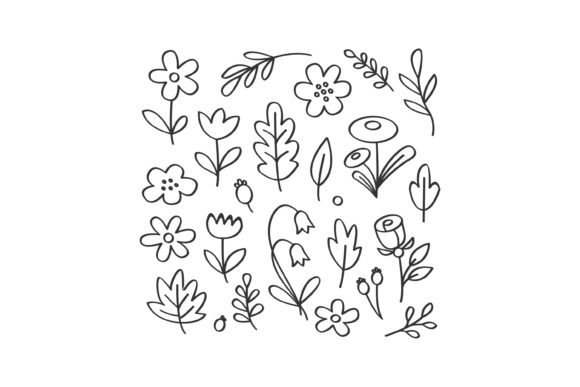
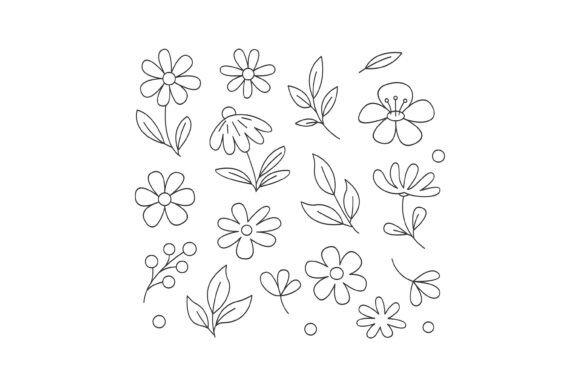
As a designer who has spent years turning digital files into tangible, stitched reality, I approach every new asset with a mix of excitement and skepticism. When I first opened the Hand-drawn Floral Elements and Leaves pack, my immediate reaction was one of genuine appreciation for its organic flow. Unlike many vector sets that feel rigid or overly geometric, this collection breathes. It captures that specific, imperfect charm of ink on paper translated into a format ready for the hoop. For anyone looking to elevate their embroidery project beyond generic clipart, this design set offers a distinct visual personality that feels both vintage and fresh.
The mood these elements create is undeniably soft and inviting. The lines vary in weight, mimicking the natural pressure of a hand sketching. This variation is crucial because it translates beautifully when converted into stitches. In a market saturated with perfect, machine-generated curves, Hand-drawn Floral Elements and Leaves stands out by offering a human touch. It suggests a story before a single thread is laid down. Whether you are a seasoned pro or an Etsy seller just starting your journey, understanding the "feel" of a design is just as important as the technical specs. This pack screams "boutique quality," making it a strong candidate for high-end handmade products.
Real-World Application: The Custom Tote Bag Scenario
To truly understand the value of this design, let's imagine a real-life scenario. I am preparing a custom order for a client who runs a local flower shop. She needs a branded tote bag for her customers, something that feels personal and artisanal rather than mass-produced. She wants to avoid the stiff, corporate look of standard logos. I immediately thought of using Hand-drawn Floral Elements and Leaves for this task.
I began by selecting a few specific leaves and a central bloom from the pack. The layout allowed me to arrange them in a loose, cascading cluster that would sit perfectly on the front pocket of a canvas tote. Because the original art is hand-drawn, the negative space around the petals felt natural, preventing the design from looking too crowded once stitched. When I ran the test file through my digitizing software, the transition from the delicate line work to actual stitches was smooth. The result wasn't just a logo; it looked like a botanical illustration brought to life. My client was thrilled when she saw the mockup, noting that it felt exactly like the aesthetic of her physical flower arrangements. This is where the power of a well-chosen design asset lies—it bridges the gap between digital vision and tactile product.
Performance Across Different Embroidery Projects
The versatility of Hand-drawn Floral Elements and Leaves extends far beyond tote bags. Its organic shapes make it particularly effective for custom apparel, especially on items like sweatshirts or oversized tees where a large, flowing motif works best. The varying stroke widths allow for excellent use of different stitch types. You can utilize satin stitch for the outlines to give definition, while fill stitch can add body to the larger leaf shapes. Meanwhile, the thinner, wispy tendrils are perfect candidates for running stitch, adding a layer of texture that mimics the original sketch.
I have also seen designers successfully adapt this style for baby embroidery. The soft, rounded nature of the floral elements avoids the harshness that sometimes comes with more aggressive designs. On a onesie or a nursery blanket, these flowers create a gentle, comforting atmosphere. Furthermore, for commercial embroidery projects like embroidered patches or apron branding, the clean lines ensure that the details remain legible even at smaller scales. The design assets here are robust enough to handle the rigors of a busy small shop without losing their charm.
However, not every surface is a match. While the design excels on flat, stable fabrics like cotton twill or canvas, caution is required when applying it to textured fabrics or stretchy materials. If you attempt to stitch this intricate floral pattern onto a thick, nubby wool sweater, the texture of the fabric might obscure the finer details of the leaves. Similarly, on highly stretchy jersey knits, the density of the stitching required to hold the shape could cause puckering if not stabilized correctly. The design also demands careful consideration regarding color contrast. A light-colored floral element might get lost on a dark background unless you choose a thread color with sufficient saturation or add a contrasting underlay.
Strategic Considerations for Small Business Owners
For those selling finished goods, the choice of design directly impacts customer trust and perceived value. A design like Hand-drawn Floral Elements and Leaves elevates the perceived craftsmanship of the item. It signals to the buyer that attention was paid to detail. When a customer sees a piece of personalized gift merchandise featuring these unique, non-repetitive patterns, they are less likely to view it as a cheap commodity and more as a curated creation. This distinction is vital for Etsy sellers and owners of small shops trying to compete in a crowded marketplace.
That said, there are areas where this design requires restraint. Using it on curved surfaces like caps can be challenging. The organic flow of the leaves might distort if the curvature of the hat doesn't align with the natural curve of the stems. In such cases, simplifying the layout or reducing the scale is necessary to maintain clarity. Additionally, while the design is rich in detail, attempting to shrink it too much for a tiny patch or a small button will result in lost information. Dense stitch areas in the center of the flowers can become difficult to manage on small hoops, potentially leading to thread breaks or a muddy appearance. Always test the design in black and white mockups first to ensure the composition holds up without the distraction of color.
Essential Notes for the Embroidery Designer
Before committing to a full production run, practical due diligence is non-negotiable. I cannot stress enough the importance of testing the embroidery file on scrap fabric that matches your final project material. This step reveals how the stitch density interacts with your specific fabric type. If the fabric is thin, you may need to adjust the stabilizer strategy to prevent tear-away issues. Check the thread colors against your intended background; sometimes a color that looks good on screen fails miserably under the needle.
Since this is a digital download containing EPS, SVG, and AI files, you must verify the licensing terms carefully. Are you permitted to sell the finished physical items? Is there a limit on the number of units? These details are critical for commercial safety. Ensure you have the proper stabilizer for the project—water-soluble top stabilizers often work wonders with hand-drawn styles to keep the fine lines crisp. Finally, inspect the small details within the design. Sometimes, converting vector paths to embroidery commands creates tiny gaps or overlaps that need manual correction in your digitizing software to ensure a professional finish.
In conclusion, Hand-drawn Floral Elements and Leaves is a standout asset for any designer looking to inject authenticity into their work. It is not merely a graphic; it is a tool for storytelling. By respecting the limitations of the medium and leveraging the strengths of its organic form, you can create finished products that resonate deeply with buyers. Whether you are crafting a holiday gift or building a brand identity, this design set provides the foundation for something truly special.