Flower Card Floral Greeting Postcard_16 Review
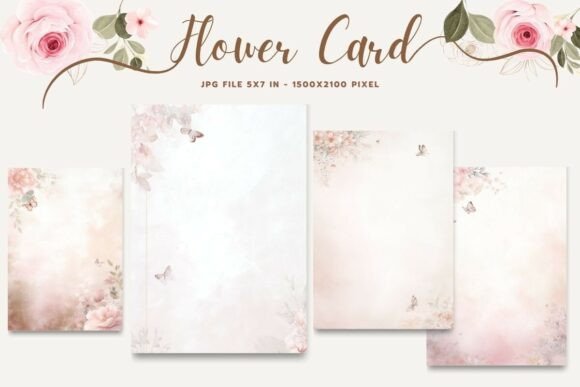
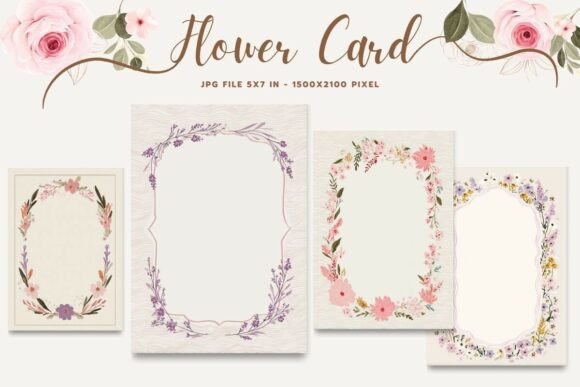
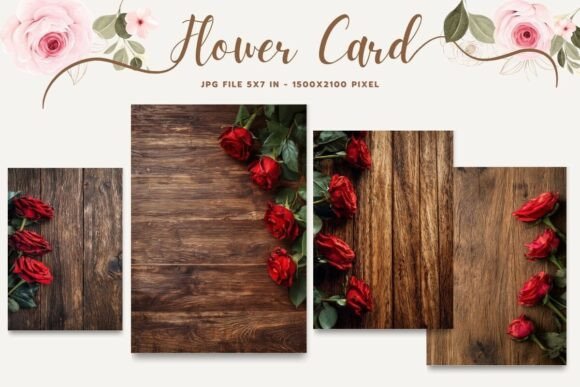
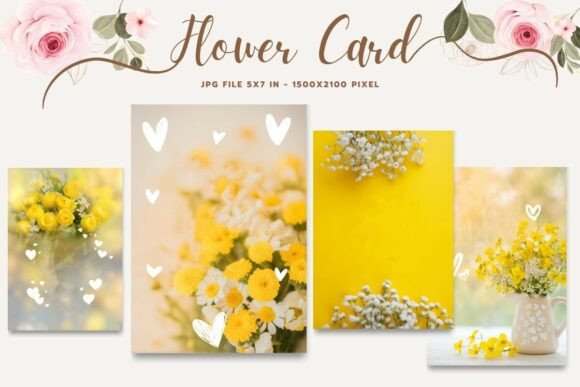
When I first opened the folder for Flower Card Floral Greeting Postcard_16, I wasn't looking for a generic floral motif. As someone who has spent years turning digital files into tangible, stitched products for clients and my own small shop, I look for specific things: clarity of line, balance in negative space, and a mood that translates well from screen to fabric. This listing is for a digital download only, specifically four high-resolution JPG files, which immediately sets the stage for how we must approach this design. It is not an embroidery file ready to stitch; it is a graphic asset waiting for interpretation.
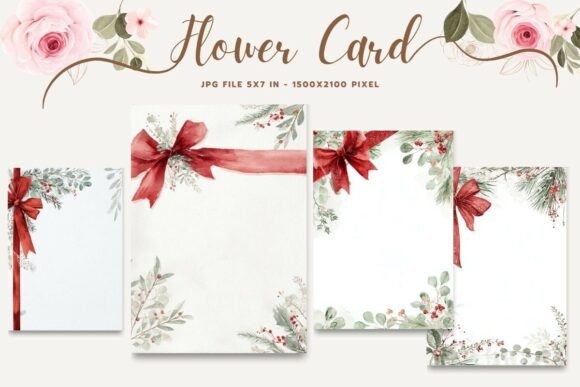
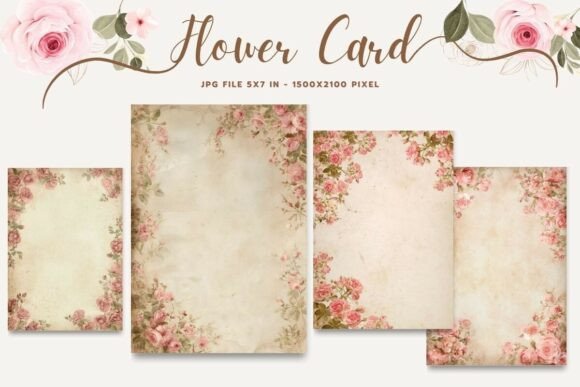
The immediate impression of Flower Card Floral Greeting Postcard_16 is one of delicate nostalgia. The layout feels like a vintage greeting card, suggesting a soft, welcoming atmosphere. For a craft business owner or an Etsy seller, this visual personality is gold. It screams "personalized gift" and "handmade product." However, the transition from a flat JPG image to a three-dimensional embroidered piece requires careful planning. Unlike a vector-based machine embroidery design where you can adjust stitch angles and density instantly, working with these graphics means you are often dealing with a visual reference or preparing to digitize the artwork yourself.
I recently had a scenario where I needed a custom design for a batch of aprons intended for a local boutique's holiday collection. I pulled up Flower Card Floral Greeting Postcard_16 as a potential centerpiece. My goal was to create a cohesive brand look that felt warm and inviting without looking cluttered. Because the design is provided as high-resolution JPGs, I used them to visualize the placement on the fabric before committing to any actual stitching. If you are an apparel decorator or a maker looking to create custom apparel, this graphic serves as an excellent blueprint for what your finished product could look like.
From Screen to Stitch: Real-World Application
The versatility of Flower Card Floral Greeting Postcard_16 shines when applied to items that benefit from a focal point. Imagine a tote bag design featuring this floral arrangement centered on the front panel. The high resolution ensures that even if you need to resize the file to fit the exact size of the substrate you are using, the details remain crisp enough to guide your digitizing process. Whether you are creating baby embroidery pieces for a nursery decor line or designing patches for a uniform, the core imagery holds up well under scrutiny.
For those selling handmade goods, the aesthetic value cannot be overstated. A sweatshirt embroidery project featuring this design would likely appeal to customers looking for something softer than bold streetwear logos. The floral theme fits naturally into holiday embroidery collections, perhaps as a tag on a gift box or a subtle accent on a pillow cover. The key here is understanding that while the JPG provides the visual target, the success of the embroidery project depends entirely on how you translate those lines into stitches.
If you are a creative entrepreneur building a catalog of design assets, knowing how this graphic behaves is crucial. In a commercial embroidery context, the difference between a successful sale and a return lies in the execution. When I mock up Flower Card Floral Greeting Postcard_16 on a dark fabric background, the contrast becomes a primary concern. Without specific thread colors provided in the listing, I have to rely on my own selection to ensure the design pops. This is where checking thread color contrast becomes a vital step before you ever touch the hoop.
Navigating Technical Challenges
While the design is beautiful, there are areas where caution is required. One of the most common pitfalls in converting graphics to embroidery is handling dense stitch areas. If the original JPG contains tight clusters of petals or leaves, simply tracing them can result in a stiff, unyielding patch of satin stitch. This is particularly problematic on textured fabrics or thin materials where the bulk of the thread might distort the weave. For a small shop product, you want the final result to feel premium, not heavy and rigid.
Furthermore, consider the limitations of small hoop sizes. If you plan to use this design for a cap or a detailed corner of a garment, you must verify whether the intricate elements of Flower Card Floral Greeting Postcard_16 will survive the reduction in scale. Tiny lettering or fine decorative accents often get lost when the design is shrunk down. I always advise testing the design on scrap fabric first. This allows you to see how the running stitch or fill stitch interacts with the specific fabric texture you intend to use. Stretchy fabrics, such as those found in t-shirts or leggings, require special attention to stabilizer choice to prevent puckering, which can ruin the clean lines of this floral card style.
There is also the question of durability. Products that need frequent washing, like kitchen towels or baby clothes, demand robust construction. If the design relies heavily on long, loose stitches, it may snag easily. You need to inspect small details closely during the digitizing phase to ensure they are reinforced. A finished product that falls apart after two washes damages your reputation as an Etsy seller or boutique owner more than a design that simply looks slightly different than expected.
Strategic Planning for Success
To truly leverage Flower Card Floral Greeting Postcard_16, you must treat it as part of a larger workflow. Before purchasing or downloading, confirm licensing terms if you intend to sell finished items. While the listing mentions it is a digital download, the rights to use the design for commercial purposes vary by creator. Always check whether the design works for both personal and commercial projects to avoid legal headaches later.
When preparing your printable mockups for your online store, use the high-resolution nature of these files to your advantage. Show potential buyers how the design looks on a tote bag, a tea towel, or a nursery wall hanging. This helps build customer trust and enhances handmade presentation. However, remember that a mockup is just a preview. The real test is the physical output. Compare light and dark fabric backgrounds in your mind's eye to anticipate how the final product will appear.
For those new to the craft business, the learning curve involves understanding that a JPG is not a magic button. You must review stitch density and confirm hoop size requirements based on the final dimensions you choose. Using proper stabilizer is non-negotiable; it supports the fabric and prevents the design from shifting. If you are creating an embroidered patch, the backing material matters just as much as the thread colors.
In conclusion, Flower Card Floral Greeting Postcard_16 offers a strong foundation for a wide range of creative endeavors. From personalized gifts to boutique branding, its floral aesthetic is timeless. However, the gap between a digital image and a high-quality embroidered item is bridged by skill, preparation, and realistic expectations. By treating this graphic as a professional tool rather than a quick fix, designers and makers can produce work that stands out in a crowded market. Whether you are a hobbyist making a gift for a friend or a seasoned vendor fulfilling a large order, taking the time to analyze the design's strengths and limitations will pay off in the quality of your finished product.
Ultimately, the decision to use Flower Card Floral Greeting Postcard_16 comes down to your specific needs and technical capabilities. If you are willing to invest the time in proper digitization and testing, this design has the potential to elevate your craft business and delight your customers with a touch of floral elegance.